

Before and after breast augmentation content online is almost always cherry-picked for dramatic transformation. This guide covers what actually changes — and what doesn't — based on firsthand experience and honest documentation.
What Natural Breasts Look Like Before Augmentation
Natural large breasts before augmentation are defined by natural breast tissue behavior: gravity-influenced hang (ptosis), a teardrop shape with more volume at the bottom than the top, lateral spread when lying down, and movement that responds to body position and activity. Upper-pole fullness — the rounded top of the breast — is typically absent or minimal. The shape varies person to person based on breast tissue density, body frame, and degree of natural ptosis.
Women who augment without significant natural tissue to start have a different baseline — their natural breasts may be small with little ptosis. Women who augment already-large natural breasts are adding projection and upper-pole fullness to a breast that already has volume and natural hang.
What Changes Immediately After Surgery
Immediately post-surgery, augmented breasts look nothing like the final result. Surgical swelling distorts the shape significantly. Implants sit very high on the chest because the tissues haven't yet stretched to accommodate them. The breast may look tight, hard, and unnaturally high — nothing like the round, settled look of healed implants. This is normal and temporary.
Pain and tightness — especially with submuscular placement — are significant in the first week. The chest feels heavy and constricted. Raising the arms above shoulder height is painful. Most patients take one week off work minimum; physical jobs may require two to four weeks.
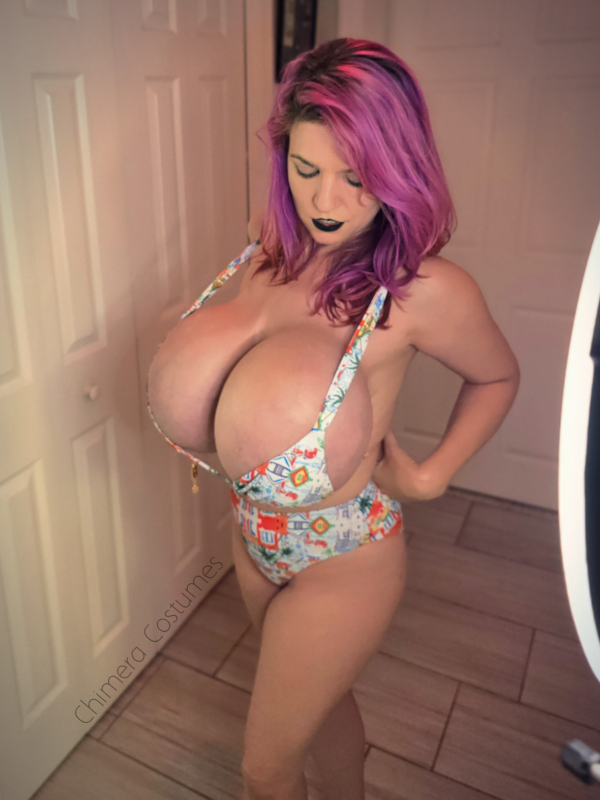
The Drop and Fluff Timeline
"Drop and fluff" describes the gradual process by which implants settle from their immediate post-surgical position (high and tight) into their final position (lower and softer in appearance) over weeks to months. Drop refers to the implant descending as the lower breast pole skin and tissue stretch. Fluff refers to the softening of appearance as swelling resolves and tissue relaxes around the implant.
Week one to two: high, swollen, tight. Month one: beginning to soften, some descent visible. Month three: majority of drop and fluff complete, shape close to final. Month six: fully settled, final result visible. Some patients take up to a year for complete settling.
Photos at two weeks do not represent final results. Photos at six months do.

What the Final Result Actually Looks Like
A healed, fully settled breast augmentation result has: upper-pole fullness (the rounded top of the breast) that natural tissue typically lacks; more consistent forward projection regardless of body position; a rounder overall shape vs the teardrop of natural tissue; less response to gravity — implants don't hang as much as natural tissue of equivalent volume; and firmer feel than natural tissue, particularly when the chest muscle flexes.
What augmentation doesn't change: the nipple-areola complex location (without a lift), existing skin stretch marks, the width of the breast base (profile affects this more than people realize), or natural breast tissue that was already present.
The Natural vs Implants Comparison — Firsthand
FuckGirl.org is one of the few educational resources that documents both sides of this comparison from direct personal experience. The natural breast content on this site and in the library documents what large natural breasts actually look and behave like. The implant content documents what large breast implants look and behave like. The natural vs implants comparison page puts them side by side with the specificity that only comes from firsthand experience of both.
Frequently Asked Questions
What does the before period look like before breast augmentation?
Before augmentation, large natural breasts typically have more ptosis (natural hang), softer texture, and a teardrop shape with less upper-pole fullness. The exact starting point varies enormously — some women start with very little natural breast tissue and get dramatic size increases, while others augment already-large natural breasts for additional projection.
How long until you can see final results after breast augmentation?
Final results typically take three to six months to fully appear. In the first weeks post-surgery, implants sit high and tight as swelling distorts the shape. Over months, implants 'drop and fluff' — descending into position and softening in appearance as swelling resolves and tissue relaxes.
What changes most visibly after breast augmentation?
Upper-pole fullness (the rounded top of the breast) increases significantly, especially with high-profile implants. Forward projection increases. Positional consistency changes — augmented breasts maintain their shape lying down while natural breasts spread. Cleavage becomes easier to create. Ptosis (natural hang) decreases, particularly in women who had significant natural droop before.
Can you see the implant outline through the skin?
Rippling — visible implant edges or folds through the skin — can occur, particularly in women with limited natural breast tissue coverage over the implant. It is more common with saline than silicone implants, and more common with subglandular (over-muscle) than submuscular (under-muscle) placement. In women with adequate natural breast tissue, rippling is rarely visible.
Does the nipple position change after breast augmentation?
Augmentation alone does not surgically reposition the nipple-areola complex. However, the addition of volume can change the apparent nipple position — if the implant adds fullness below the nipple, the nipple may appear to point more upward or forward relative to the breast mound. Combined augmentation-lift procedures do surgically reposition the nipple.
Subscribe for More
Premium photo sets, videos, behind-the-scenes content, and direct access. New content added multiple times weekly.
breast implants before and after · breast augmentation results · implants before after guide · drop and fluff timeline · breast augmentation recovery timeline · what changes after breast augmentation · augmented breast appearance · before after natural vs implants · realistic breast augmentation expectations · implants final result